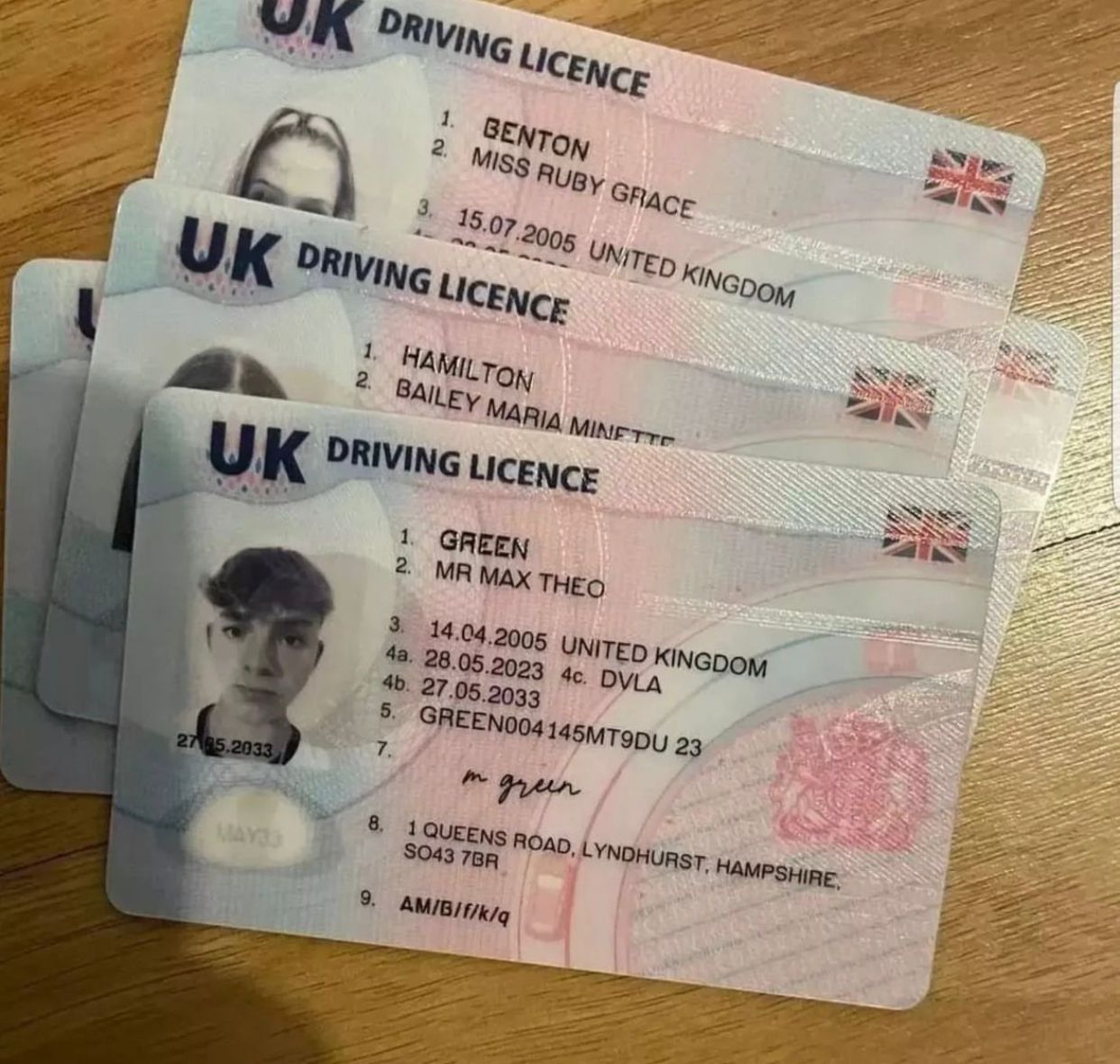
Understanding the Driving Licence in the UK: A Comprehensive Guide
Driving is an essential skill for many individuals in the UK, offering a sense of flexibility and independence. However, navigating the guidelines surrounding driving licences can be a difficult job. This guide aims to clarify the numerous elements of getting and handling a driving licence in the UK, supplying a clear and informative resource for anybody thinking about supporting the wheel.
Types of Driving Licences
In the UK, driving licences are classified based upon car types and the age of the driver. Here is a quick summary of the primary kinds of licences:
| Licence Type | Automobiles Allowed | Minimum Age |
|---|---|---|
| Provisional Licence | Learners can drive when accompanied by an adult | 17 |
| Complete Car Licence (Category B) | Cars, vans under 3.5 tons | 17 |
| Bike Licence (Category A) | Motorcycles of any size | 24 (or 21 with restrictions) |
| Light Motor Vehicle Licence (Category B1) | Quadricycles, three-wheeled vehicles | 17 |
| LGV Licence (Category C) | Large Goods Vehicles (over 3.5 lots) | 18 |
| PCV Licence (Category D) | Passenger Carrying Vehicles (buses, minibuses) | 21 |
Steps to Obtain a Driving Licence
Getting a driving licence in the UK involves several actions, which can be broken down as follows:
Check Eligibility: Ensure you meet the following requirements:
- Be at least 17 years of ages (16 for mopeds).
- Be a local in the UK.
- Meet minimum eyesight standards.
- Look for a Provisional Licence: You need to complete a kind, either online or by post, and pay the essential charge. The provisionary licence permits you to discover to drive.
- Take a Theory Test: After acquiring your provisionary licence, you'll require to pass the theory test, which includes multiple-choice questions and a danger understanding test.
- Total Driving Lessons: It is a good idea to undertake lessons with a certified trainer to prepare for the useful driving test.
- Book and Pass the Practical Driving Test: Upon successful conclusion of your lessons, you can book your useful driving test. This includes showing your ability to control the car and follow road guidelines.
- Receive Your Full Licence: Once you pass the dry run, you can get your complete driving licence.
Expenses of Obtaining a Driving Licence
The expenses connected with obtaining a driving licence can vary. Here's a breakdown of common expenditures:
| Item | Approximated Cost |
|---|---|
| Provisionary licence fee | ₤ 34 online, ₤ 43 by post |
| Theory test fee | ₤ 23 |
| Dry run cost | ₤ 62 (Monday to Friday) ₤ 75 (Weekends and bank vacations) |
| Driving lessons (per hour) | ₤ 30 - ₤ 50 |
| Complete licence charge | ₤ 34 online, ₤ 43 by post |
Renewing Your Driving Licence
Driving licences in the UK need to be renewed regularly, particularly as motorists approach the age of 70. Here's a basic renewal procedure:
- Check Expiry Date: Keep track of when your licence ends.
- Prepare Documents: Gather your present licence, passport-sized photo, and any other needed files.
- Complete Application: Use the online platform or postal service to restore your licence.
- Pay the Renew Fee: Fees for renewal are similar to those for getting a new licence.
Typical FAQs about UK Driving Licences
1. What is the minimum age to drive in the UK?
- The minimum age is 17 for a vehicle licence. However, you can drive a moped or a light quadricycle at the age of 16.
2. Can international drivers utilize their licence in the UK?
- Yes, holders of valid non-UK driving licences can drive in the UK for as much as 12 months. After Drivers License , they will need to exchange it for a British licence or look for one.
3. What should I do if I lose my driving licence?
- You must report the loss to the DVLA (Driver and Vehicle Licensing Agency) and get a replacement licence online.
4. Exist restrictions on my driving after passing the test?
- After passing the dry run, full licence holders must follow different guidelines, including zero tolerance for driving under the impact of alcohol or drugs. Restricted licences may have additional conditions.
5. How can I check the status of my driving record?
- You can examine the status and details of your driving record through the DVLA's online services by entering your driving licence number and personal details.
Tips for Safe Driving
To make the most of security on the road, brand-new drivers need to consider the following:
- Stay Alert: Maintain focus and prevent interruptions while driving.
- Comply With Speed Limits: Always be mindful of speed limitations and change your speed according to road conditions.
- Usage Your Mirrors: Regularly checking mirrors helps maintain awareness of your surroundings.
- Don't Drink and Drive: Consuming alcohol before driving can have legal effects and can put lives at threat.
- Take Regular Breaks: On long journeys, ensure to take breaks to prevent tiredness.
Understanding the driving licence system in the UK is crucial for anybody wanting to drive. From looking for a provisional licence to renewing an existing one, being informed can help improve the procedure. Always focus on safety on the road, comply with the rules, and enjoy the journey towards ending up being a certified driver. For any further information, consult the DVLA or seek suggestions from a qualified driving trainer. Safe travels!